Grew Up in Stiff Boots, Now Buying Barefoot for Our Kids: What Has Actually Changed?
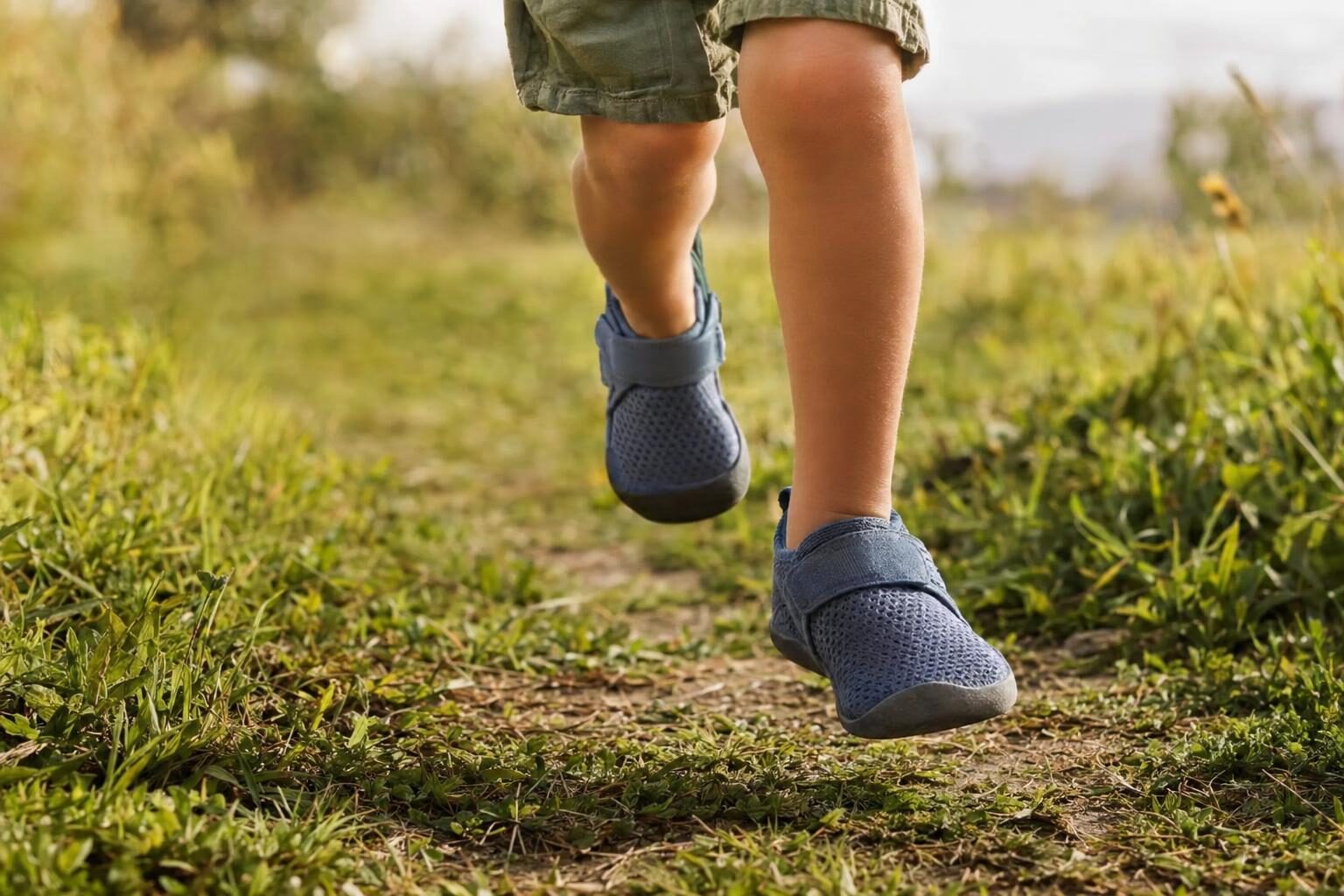
We’ve all heard it (or been told it by our parents and traditional pediatricians growing up): "Buy your child firm shoes with rigid soles and high, stiff ankle support so their feet don't roll in and they avoid flat feet!"
For generations, this was treated as gospel. We grew up wearing shoes that felt like mini-fortresses, and when we had kids of our own, many of us instinctively looked for those exact same "armored" shoes for their first steps. But then, something shifted. Have you noticed? Parents at playgrounds, in modern parenting forums, and across Europe are no longer hunting for stiff, heavy boots. Instead, we are looking for barefoot shoes.
Why the sudden pivot? Have our views really changed, and if so, why?
We Were Taught Wrong: What Modern Research Says
Traditional orthopedic advice used to be rooted in caution and a flawed assumption: that a child's foot is inherently weak and fragile, needing an external frame to stay upright and prevent structural issues.
However, over the last decade, insights from pediatric physical therapists, podologists, and biomechanical studies have flipped that logic completely on its head. Turns out, a child's foot is not a defect or a fragile puzzle piece that needs to be locked into place. It is a complex, naturally engineered system designed to build its own strength, muscles, and arches through active use.
When you put a child in a shoe with a stiff, unyielding sole and a rigid ankle counter:
The muscles "fall asleep": Instead of working, stabilizing, and developing on their own, the rigid shoe does all the work. Over time, the foot's intrinsic muscles weaken.
Sensory feedback is blocked: The sole of the foot is packed with nerve endings. Walking barefoot or in a thin, flexible sole sends vital signals to the brain about the ground, textures, and balance. A thick, hard block silences this natural feedback loop.
Toes are restricted: Traditional shoes often feature narrow toe boxes, squishing the toes together and robbing the child of their natural base of support.
The great paradox is this: most children are born with completely healthy feet, but many foot issues later in life actually stem from years of keeping those growing feet trapped in restrictive footwear.
What Exactly Is the Barefoot Philosophy?
Transitioning to barefoot shoes isn't just a fleeting wellness trend; it is a return to how humans are biologically designed to move. True barefoot shoes share a few non-negotiable principles:
Zero-Drop (Completely Flat Sole): No heel elevation, ensuring the spine and posture align naturally without pulling the center of gravity forward.
Maximum Flexibility: The sole bends and twists effortlessly in all directions, allowing the foot to flex dynamically with every step.
Wide Toe Box: Shaped like a natural foot, giving toes complete freedom to spread out for better balance and stability.
Unless a doctor has diagnosed a specific, severe medical pathology, a healthy child's ankle doesn't need artificial external support—their own growing muscles and ligaments need the freedom to do the job.
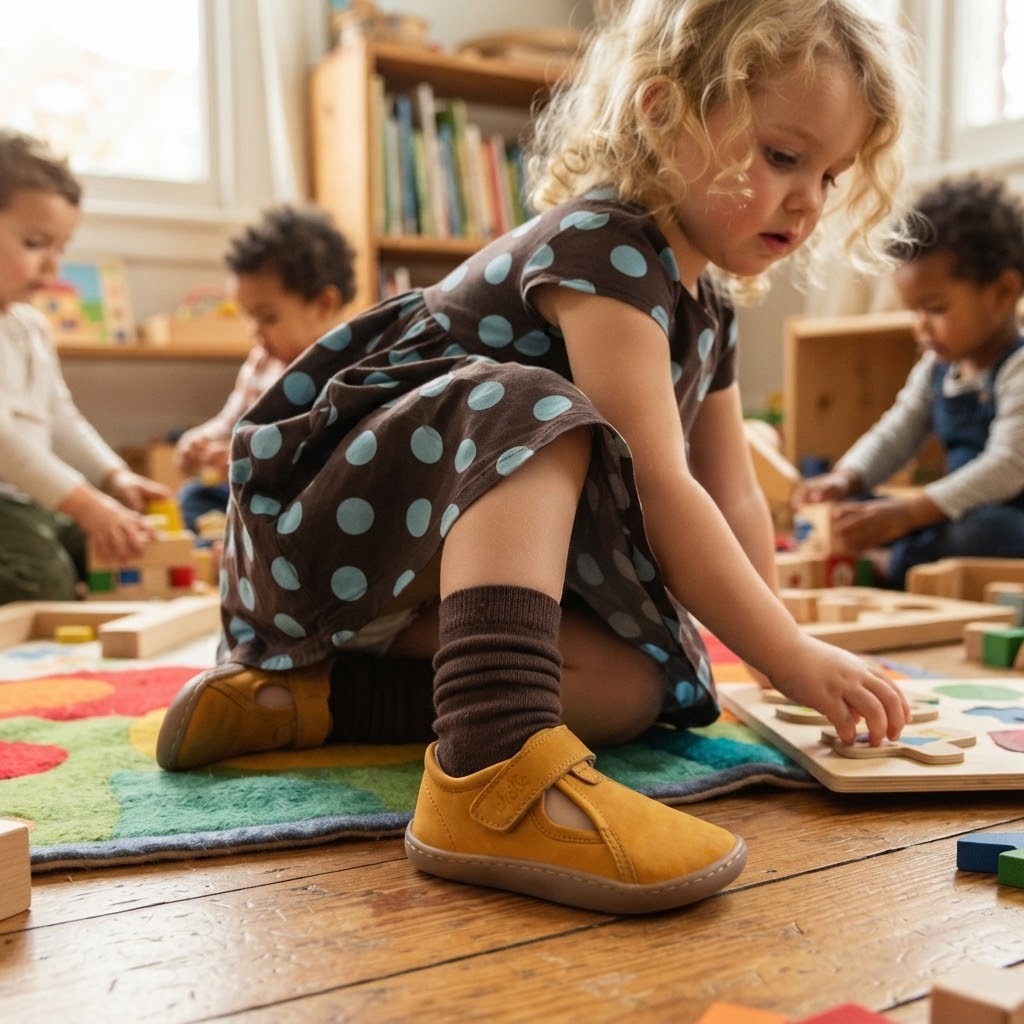
The Shift Across Europe (and Why It’s Booming Now)
Let’s be honest: just a few years ago, finding decent barefoot shoes for kids in Europe felt like a secret club. Parents had to hunt down niche international brands online, guessing sizes and crossing their fingers.
Today, the landscape looks entirely different. The millennial generation—parents who grew up wearing those rigid, restrictive boots ourselves—are raising the next generation. We are questioning old myths, listening to modern physiotherapists, and driving a massive shift in how children's footwear is viewed.
Platforms and specialized stores like Kidspace.store have become a go-to destination for parents who want to break the cycle and give their kids footwear that actually supports natural development. Curated selections at places like Kidspace.store focus entirely on what growing feet actually need: absolute freedom of movement combined with everyday practicality.
You only need to watch a child run around freely in footwear that doesn't fight their natural biomechanics to realize there’s no turning back.
Ready to make the switch? Explore the
What made you first look into barefoot shoes for your child?