What Are Multisensory Stories? And How Do They Spark a Natural Love for Learning?
Multisensory stories are stories that children don’t just listen to—they experience with all their senses: sight, hearing, touch, movement, and imagination. They blend text, visuals, sounds, textures, and sensory elements to transform a simple story into something tangible, immersive, and endlessly creative.
In these stories, the child becomes a co-author: exploring, building, combining, and shaping their own version of the narrative. This naturally fuels curiosity, creativity, independence, and—most importantly—makes learning feel like an adventure rather than a task.
This time, we’re introducing LUULA creative tables—a unique sensory-learning setup designed for children from 18 months and up. They support early development, free exploration, and hands-on discovery.
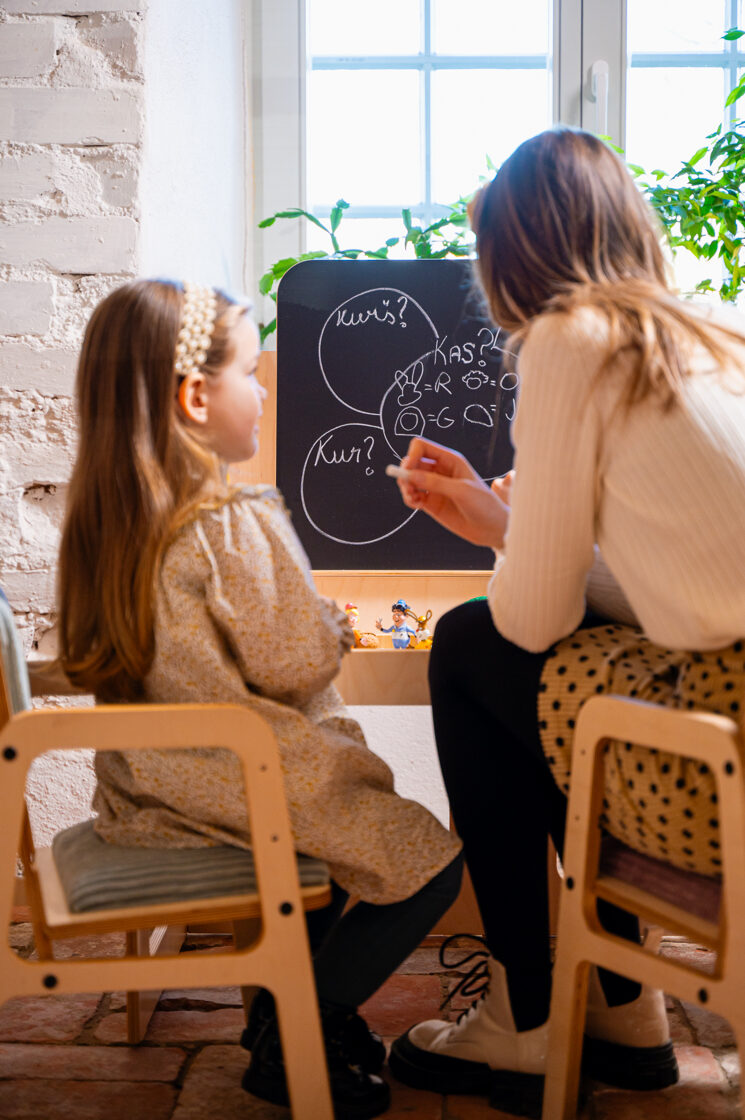
To showcase how children learn through play with LUULA tables, LUULA has created a multisensory story that demonstrates exactly how to teach children to love the process of exploration and learning. Instead of instruction by force, the story turns learning into a magical, joyful experience where the child takes on the role of the creator. Through discoveries, movement, sensory impressions, storytelling, and creative freedom, curiosity begins to bloom.
This is why LUULA’s designer Inga Sokolova (designers) has included a multisensory story as the “user guide” for each LUULA table—an invitation to learn through wonder.
But before we dive into the tool itself, let’s explore the concept a bit deeper.
What Are Multisensory Stories?
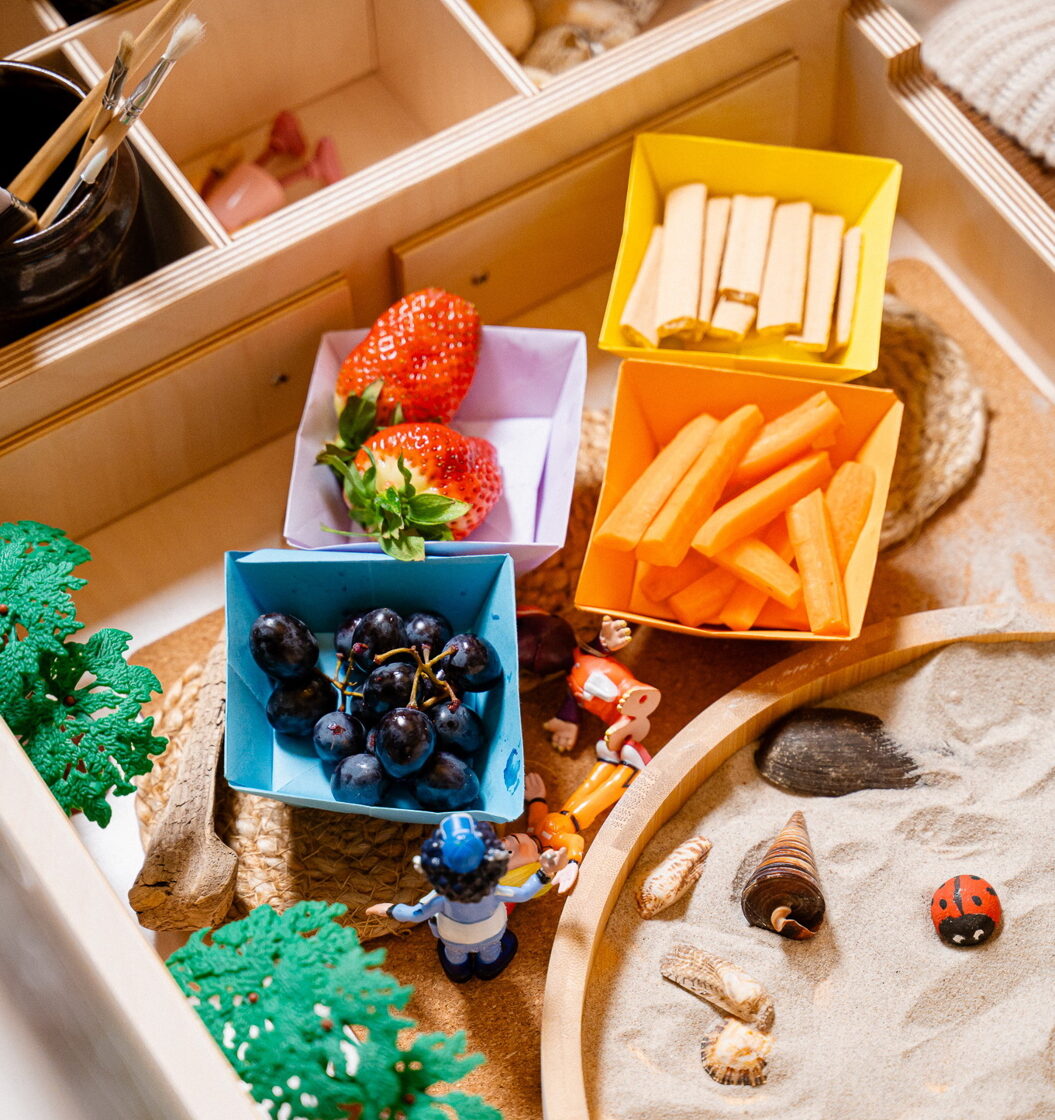
Multisensory stories are playful, educational activities that activate multiple senses at once:
👀 sight
👂 sound
✋ touch
👃 smell
🧠 movement and imagination
They create story worlds in which children aren’t passive listeners—they’re explorers, creators, and decision-makers.
For example, a child can:
-
feel the “tree bark” when reading about a forest path,
-
join characters in completing sensory challenges,
-
assemble elements that change the storyline,
-
or create their own version using different materials, lights, or sounds.
Multisensory stories stimulate the brain far more broadly than traditional reading or worksheets, which is why they are so powerful during the early learning years.
Why Are They Essential for a Child’s Learning Journey?
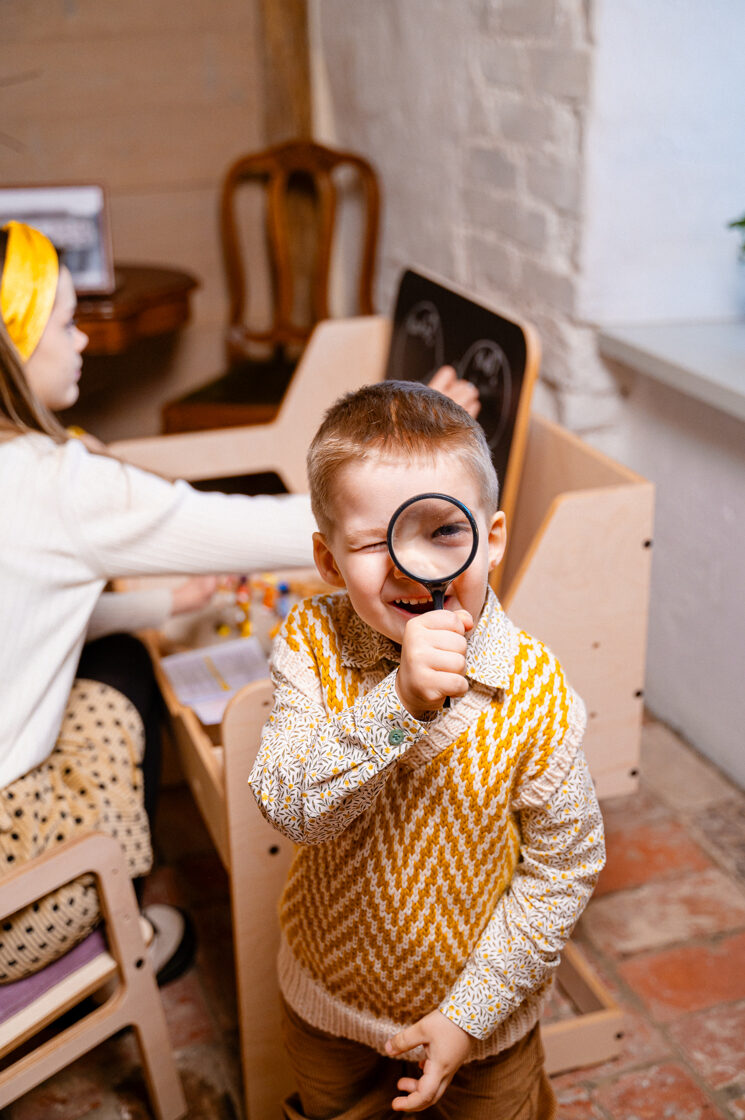
1. They spark natural curiosity
Children learn best when learning feels like play.
A multisensory story invites them to wonder: “What happens next?”—and to find out, they must think, explore, choose, and create.
2. They develop creative thinking
There are no right or wrong answers—only bold, imaginative ideas.
Children learn to create, interpret, problem-solve, and combine concepts: the exact skills their future will demand.
3. They build independence
In multisensory stories, the child independently:
-
chooses materials,
-
follows narrative clues,
-
creates their own solutions.
This nurtures confidence: “I can do it. I know how.”
4. They support attention and focus
Because several senses are engaged, children naturally stay focused longer.
These activities are especially helpful for children with:
-
attention challenges,
-
sensory needs,
-
or high energy levels.
The LUULA Approach: Turning Multisensory Stories Into Real Learning Tools
LUULA designer Inga Sokolova has created a unique multisensory learning product—a creative table and sensory stories that allows children to live their stories physically and spatially.
What does this look like?
🎨 1. Physical elements for story-building
Wood, textile, magnetic pieces, and light elements help children build the world where the story happens. Learning becomes a 3D experience.
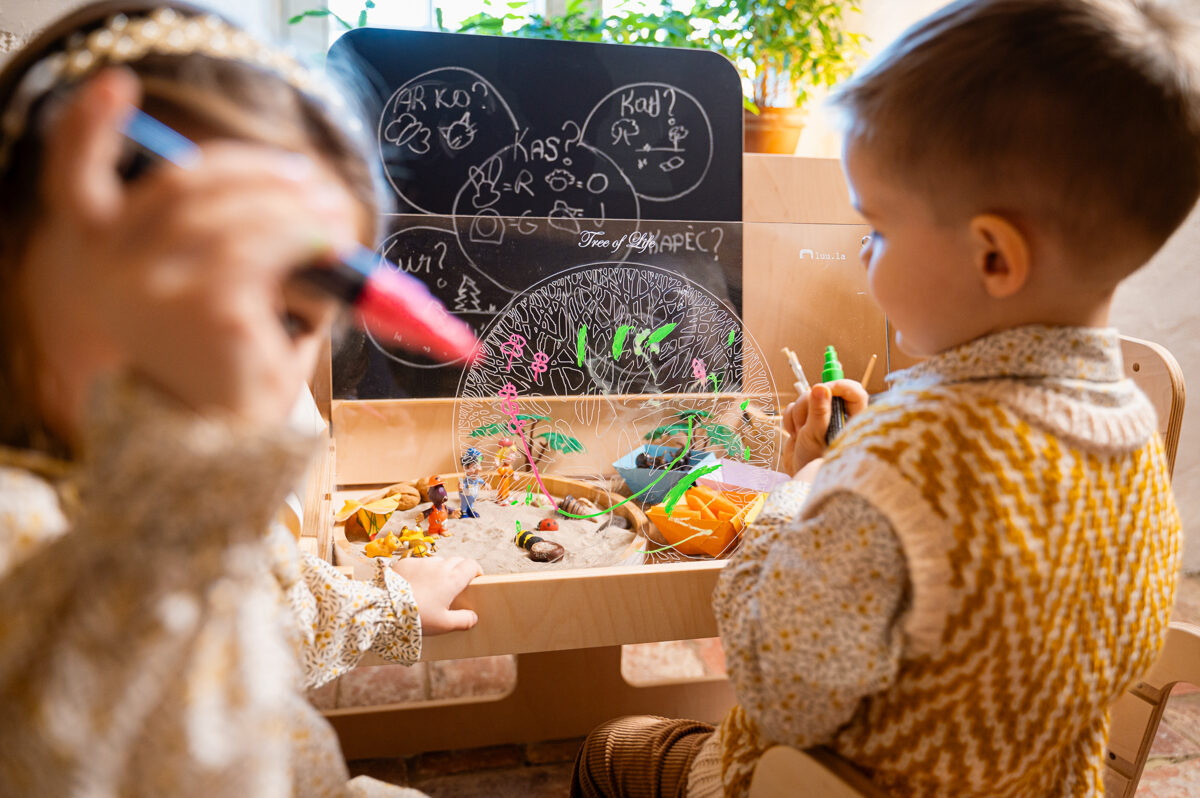
🖼️ 2. A light table as a storytelling stage
With a LUULA table, children can:
-
create shadow stories,
-
use transparent materials,
-
bring characters to life through movement,
-
shift the atmosphere with colorful lights.
Light, textures, colors—the story comes alive.
🌀 3. Idea cards that inspire, not instruct
These cards don’t dictate tasks—they offer gentle guidance, encouraging children to expand and reinterpret the story in their own creative way.
How Multisensory Stories Support Early Learning Success
✔ They create a positive attitude toward learning
Children begin to see learning as something exciting, not obligatory.
✔ They build emotional confidence
When learning begins with joy and creativity, children step into school with a sense of security and enthusiasm.
✔ They develop core learning skills
Through sensory experiences—without pressure—children practice:
-
language,
-
logic,
-
spatial thinking,
-
reasoning,
-
self-expression,
-
storytelling.
✔ They support both parents and educators
Multisensory materials make it easier to create meaningful, high-quality activities quickly and intuitively.
LUULA — Where Art, Design, and Pedagogy Meet
We believe a child’s curiosity is their most valuable resource.
The adult’s role is not to “fill the child with knowledge,” but to ignite the spark that drives them to explore.
This is why Inga Sokolova created LUULA’s multisensory learning system—to give every child the freedom to:
-
think creatively,
-
explore safely,
-
learn in their own way,
-
express themselves fully.
And to give parents, teachers, and therapists tools that support joyful, sensory-rich learning instead of pressure.
In Conclusion
Multisensory stories are a bridge between imagination and knowledge.
They empower children to learn naturally—independently, creatively, and with genuine excitement.
With LUULA’s unique materials, this experience becomes even deeper: visual, tactile, dynamic, and alive.
If you'd like, I can also prepare:
✨ a shorter social media version,
✨ a website-ready landing page text,
✨ or a storytelling script for the LUULA table.